Professor Jason Arday’s family stood at the heart of an extraordinary life that took him from significant developmental challenges in childhood to becoming one of Britain’s most prominent academics.
Following Arday’s death on August 14, 2026, at the age of 40, his relatives remembered much more than his achievements in universities and public life. Their statement described him as an extraordinary “father, partner, brother, uncle and son,” offering a glimpse of the relationships that mattered behind his public career.
Arday grew up in Clapham, South London, in a Ghanaian immigrant family. His childhood presented considerable challenges, but strong support at home became an important part of his development.
Who Were His Parents?
Jason Arday was born to Ghanaian parents who had moved to the United Kingdom.
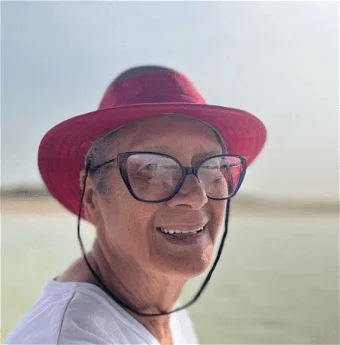
His mother, Gifty Arday, worked as a mental health nurse and became one of the most important advocates in her son’s early life.
Jason was diagnosed during childhood with autism and global developmental delay. He did not speak until he was 11 and later recalled being unable to read or write until he was a young adult.
His mother refused to accept assumptions about what those difficulties would mean for his future.
Gifty pushed for her son to receive opportunities and educational support while encouraging him to develop independence.
Arday later spoke publicly about the profound influence his mother had on his life.
His Father
Jason’s father, John Arday, worked as a chef.
While much of the public discussion of Jason’s childhood has centered on his mother’s advocacy, his father was also part of the close family environment in which he grew up.
Both parents had Ghanaian roots, giving Arday a family heritage that remained part of his identity while he was raised in South London.
The family lived in Clapham, where Jason spent his childhood with his brothers.
Growing Up
Arday was the third of four boys.
Growing up with three brothers meant family life was busy, and sport became one of his important interests.
One of his brothers publicly identified in accounts of his life is Mark Arday.
Jason’s route through education was far from conventional. Difficulties with communication and literacy meant milestones many children reached early took him considerably longer.
Those experiences would eventually shape his academic interests, particularly his work involving education, inequality and barriers faced by disadvantaged students.
Debbie-Ann McKenzie
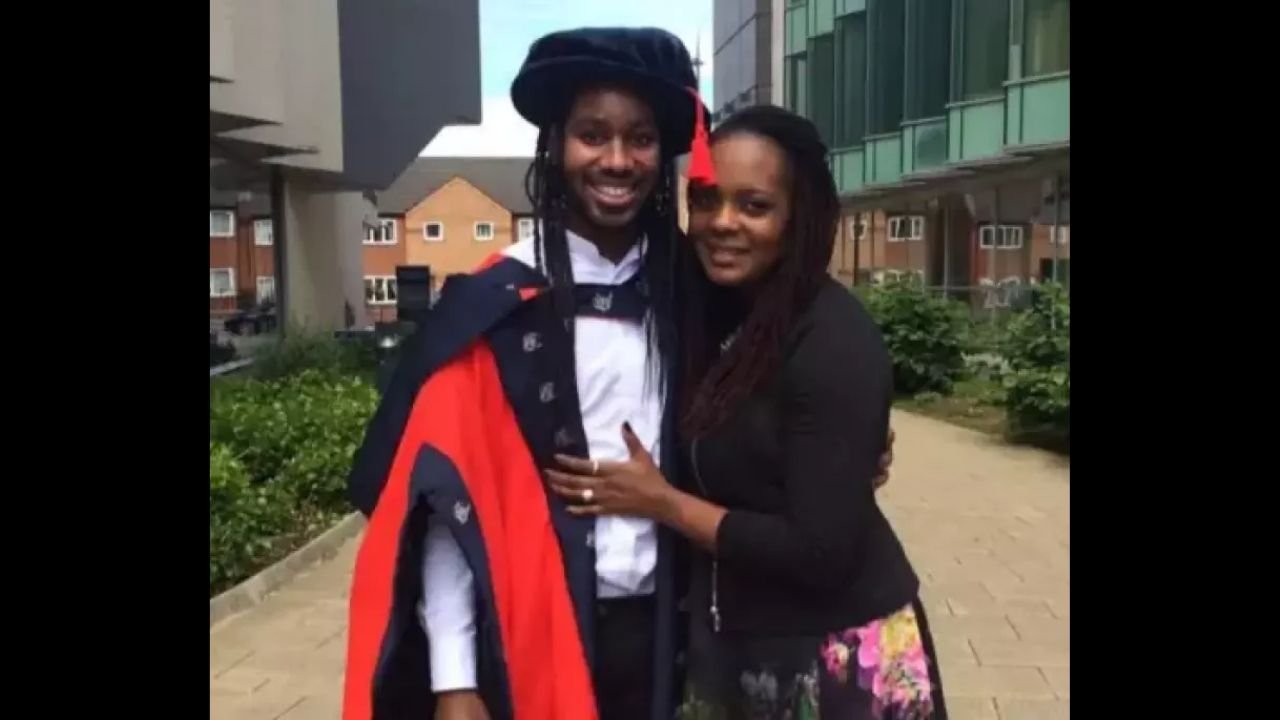
Another major influence in Arday’s personal story was Debbie-Ann McKenzie.
Published accounts describe the pair as meeting when they were approximately 18 while working at a sports shop.
Their connection became especially significant during a period when Jason was still developing his literacy skills.
Arday credited Debbie-Ann, a teacher, with helping him learn phonics and supporting him as he worked on reading and writing.
The couple eventually married in 2014.
Their marriage later ended, with reports indicating that they separated around 2019. Despite the separation, accounts of Arday’s family life describe them as maintaining a close relationship and continuing to share responsibility for their children.
His Children
Jason Arday was a father.
Published biographical accounts have identified his children as a daughter, Taylah, and a son, Noah.
Unlike their father, who became a recognizable public figure through his academic work and media appearances, the children have largely remained outside the public spotlight.
That privacy is particularly important following Arday’s death.
His family’s description of him first as a father among the many roles he occupied underlined how significant parenthood was within his private life.
Details about his children’s personal lives, schooling and other private circumstances have appropriately remained limited.
Academic Rise
Arday’s achievements attracted international attention partly because of how unlikely an academic career once appeared.
After learning to read and write as a young adult, he continued his education and ultimately completed two master’s degrees and a PhD.
His research focused on areas including race, education, inequality and social justice.
He held academic positions at several British universities before joining the University of Cambridge.
In 2023, his appointment as Professor of Sociology of Education at Cambridge attracted widespread coverage. He was reported at the time to be the youngest Black person ever appointed to a professorship at the university.
The achievement transformed him into an internationally recognized example of an unconventional route into academia.
Difficult Final Months
The closing period of Arday’s public career was considerably more difficult.
His academic work became the subject of scrutiny over allegations concerning plagiarism and research practices.
Arday resigned from his position at Cambridge in 2026.
His family subsequently strongly challenged the way he had been treated, describing what they viewed as a sustained campaign of harassment against him.
Such allegations and the responses to them remain a serious and sensitive part of the public record. They should be distinguished from established facts rather than used to make assumptions about the circumstances of his death.
His Death
Arday died suddenly on August 14, 2026.
His death prompted tributes from people who knew his academic work, educational advocacy and personal story.
His family asked for privacy while grieving.
Their statement focused on the person they knew beyond his professional reputation, remembering his humor, generosity, warmth and devotion to those around him.
For relatives, his academic titles represented only one part of Jason Arday’s identity.
For readers searching for Jason Arday’s family, his story begins with parents Gifty and John Arday and the South London household where he grew up alongside three brothers.
It later expanded to include Debbie-Ann McKenzie, who played an important role during his journey toward literacy, and his own children.
His rise from a child who could not speak until 11 to a Cambridge professor made international headlines, but it was supported by relationships that existed long before academic recognition arrived.
Following his death, those closest to him have emphasized those personal bonds rather than titles or records.
Whatever debates continue around the final period of his academic career, Arday’s family has made its own priority clear: remembering Jason as a loved father, son, brother, uncle and partner while being given the privacy to mourn him.